Weeknight
Spinach and Tomato Pasta, Pantry Version
This spinach and tomato pasta works in any month because it is built on canned tomatoes done properly: whole peeled tomatoes, crushed by hand, simmered 10 minutes with garlic and enough olive oil, then corrected with a pinch of sugar only if the sauce tastes sharp. The spinach goes in at the very end — 5 oz of fresh baby spinach wilts in about 90 seconds in the hot sauce, and frozen works too if squeezed hard first. Start to finish it is 25 minutes, one pot plus the pasta pan.
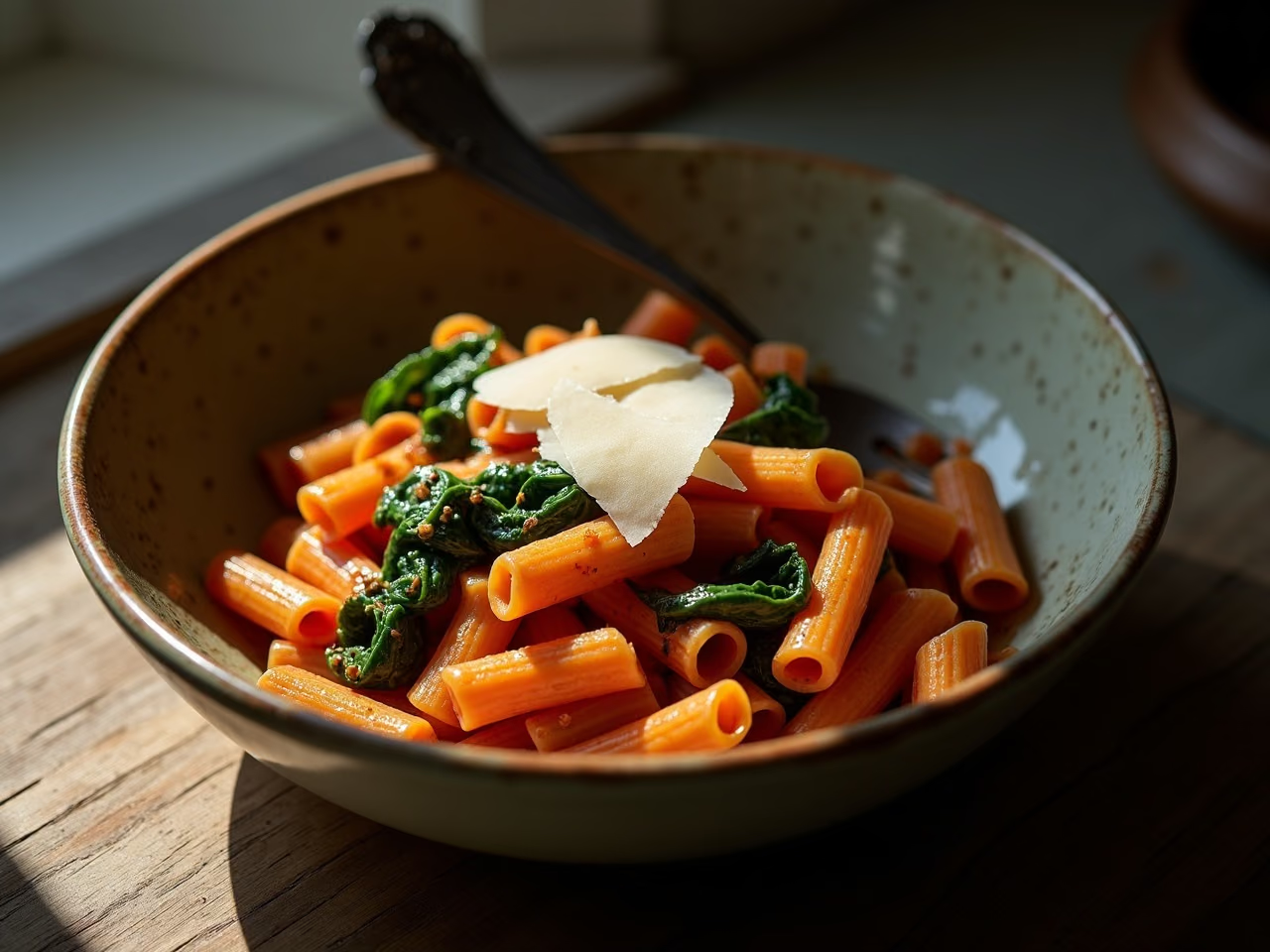
“Spinach and tomato pasta” sounds like a summer dish, and the reason to write it down properly is that it mostly gets made in winter, from cans, badly. The canned route is not the compromise version — done right, it is the better version for about ten months of the year. Done right means three decisions.
Decision one: which can
Whole peeled tomatoes, always. The grading logic of a cannery puts its best fruit in the whole-peeled line, where a bruise or a green shoulder is visible; the crushed and diced lines are where the rest goes, and diced is additionally treated with calcium chloride so the cubes survive — which also means they survive your simmer and never melt into sauce. Crush whole ones by hand in thirty seconds and you have the best of both.
Decision two: the correction, not the habit
The pinch of sugar in tomato sauce has two schools: always (wrong, that is how sauce ends up tasting jarred) and never (wrong, some cans genuinely need it). The correct school is taste at ten minutes. Sharp, thin, faintly metallic — a quarter teaspoon of sugar, stirred, taste again. Round and sweet already — nothing. The sauce tells you; the recipe can’t know which can you opened.
Decision three: spinach is a finishing move
Spinach is 91% water and cooks in seconds. In the sauce early, it surrenders that water into the pan, dulls to army green, and reads as an ingredient you are using up. Folded in off the heat at the end, it wilts to just-tender, keeps its colour, and tastes deliberate. Frozen spinach follows the same rule with one addition: squeeze it dry with real force first — the half cup of water hiding in a thawed block is the difference between sauce and soup.
Spinach and Tomato Pasta, Pantry Version
- Prep
- 5 min
- Cook
- 20 min
- Total
- 25 min
- Serves
- 4
Ingredients
- 12 oz (340 g) short pasta — casarecce, penne or fusilli
- 1 can (28 oz / 800 g) whole peeled tomatoes
- 5 oz (140 g) baby spinach, or 8 oz frozen, thawed and squeezed dry
- 1/4 cup (60 ml) olive oil
- 4 cloves garlic, thinly sliced
- 1/4 teaspoon red pepper flakes
- 1 teaspoon fine sea salt, divided, plus more for the pasta water
- A pinch of sugar — only if needed, see step 5
- 2 oz (55 g) Parmesan, grated, plus more to serve
Method
- Open the can and crush the tomatoes by hand into a bowl, tearing them into rough pieces. Thirty seconds, messy, and better than any pre-crushed can — whole peeled tomatoes are the best fruit in the aisle, and pre-crushed cans are where the sad ones go. (2 min)
- Warm the olive oil and garlic together in a wide pan over medium — starting them cold lets the garlic flavour the oil without scorching. When the slices are pale gold at the edges, add the pepper flakes for 15 seconds. (3 min)
- Add the tomatoes and their juice with 3/4 teaspoon of the salt (careful — it will spit). Simmer briskly, uncovered, 10 minutes, until the sauce has thickened and the oil starts showing at the edges in orange beads. (10 min)
- Meanwhile cook the pasta in well-salted water to 2 minutes short of the package time. Reserve 1 cup of pasta water before draining. (10 min)
- Taste the sauce. If it is sharp or metallic, add a pinch of sugar — an actual pinch, 1/4 teaspoon at most — and taste again. Good tomatoes in a good year need none; this is a correction, not an ingredient.
- Add the pasta to the sauce with 1/2 cup of pasta water and toss over medium for 90 seconds so the pasta finishes cooking in the sauce and the starch binds it. (2 min)
- Pile in the spinach, remove from the heat, and fold until it wilts — about 90 seconds. Stir in the Parmesan and the remaining salt to taste, loosening with more pasta water if it tightens. Serve with more cheese over. (2 min)
Notes
- The can to buy: whole peeled tomatoes, ideally in juice rather than purée. Canners send their best fruit to the whole-peeled line because defects show; diced tomatoes are treated with calcium chloride to stay firm and never fully break down; "crushed" varies wildly by brand. One can of whole peeled + your hands beats them all.
- The oil quantity is structural, not indulgent. A quarter cup emulsifies into the tomato as it simmers and carries the garlic and chilli through the dish; tomato sauce made with a tablespoon of oil tastes thin in a way people misattribute to the tomatoes.
- Frozen spinach works with one non-negotiable step: squeeze it in your fists until no more water comes out — a 8 oz block hides nearly half a cup of water that would flood the sauce. Add it a minute earlier than fresh, since it needs warming rather than wilting.
- The orange oil beading at the sauce's edge is the visual doneness cue: it means the water has cooked off and the emulsion is concentrated. No beads after 10 minutes — simmer wider or longer.
- Additions that keep it a pantry dish: a tin of white beans (rinsed, in with the pasta) makes it dinner-sized; a tin of anchovies melted into the garlic oil deepens it; olives and capers push it toward puttanesca. All shelf-stable.
Per serving (estimated by calculation from ingredient quantities, not laboratory tested): 512 kcal · 17 g protein · 72 g carbohydrate · 19 g fat.
Common questions
What are the best canned tomatoes for pasta sauce?
Whole peeled tomatoes, crushed by hand. Canneries grade their best fruit into the whole-peeled line because blemishes are visible there; crushed and diced lines absorb the rest. Diced tomatoes are additionally firmed with calcium chloride and will not melt into a sauce however long you simmer. San Marzano cans are genuinely good but not required — any decent whole peeled tomato beats a premium diced one.
Should you add sugar to tomato sauce?
Only to correct, never by default. Taste after the 10-minute simmer: if the sauce reads sharp or metallic — common with lesser cans and early-season fruit — a pinch of sugar (1/4 teaspoon) rounds it. A good can usually needs nothing. Sugar added blind by tablespoon is how jarred-sauce sweetness happens; the correction is the exception that proves the tomatoes.
When do you add spinach to pasta?
Last, off the heat. Baby spinach wilts in about 90 seconds in the residual heat of the finished sauce, keeping some body and colour; added earlier it overcooks into dark threads and bleeds water into the sauce. Frozen spinach — squeezed truly dry — goes in one minute before serving, since it only needs heating through.
Can I use fresh tomatoes instead of canned?
In August, with real ripe tomatoes: yes — about 2 lb, chopped, simmered a few minutes longer to drive off their extra water. The rest of the year, canned wins on merit, not convenience: canning tomatoes are picked ripe and processed within hours, while off-season fresh tomatoes were picked green for transport. This recipe is titled "pantry version" because February is most of the year.
How do I make this a bigger meal?
A drained tin of cannellini beans tossed in with the pasta adds protein without changing the dish's pantry character. Beyond that: a fried egg on top, a ball of burrata torn over each bowl, or leftover shredded chicken warmed in the sauce. It also takes a tin of tuna surprisingly well — add it with the spinach, in chunks, and skip the extra cheese.