Weeknight
Shrimp, Spinach and Garlic Pasta in 25
Shrimp overcook in about a minute, so the timing is the recipe: sear them 90 seconds a side in a hot pan, take them out, build the garlic-and-lemon sauce, and return them only for the final 30-second toss. Buy 16/20-count shrimp (the number means shrimp per pound — bigger shrimp give a wider margin of error), and dinner is 25 minutes: shrimp, 5 oz of spinach wilted at the end, and pasta bound with starchy water and butter in the usual emulsion.
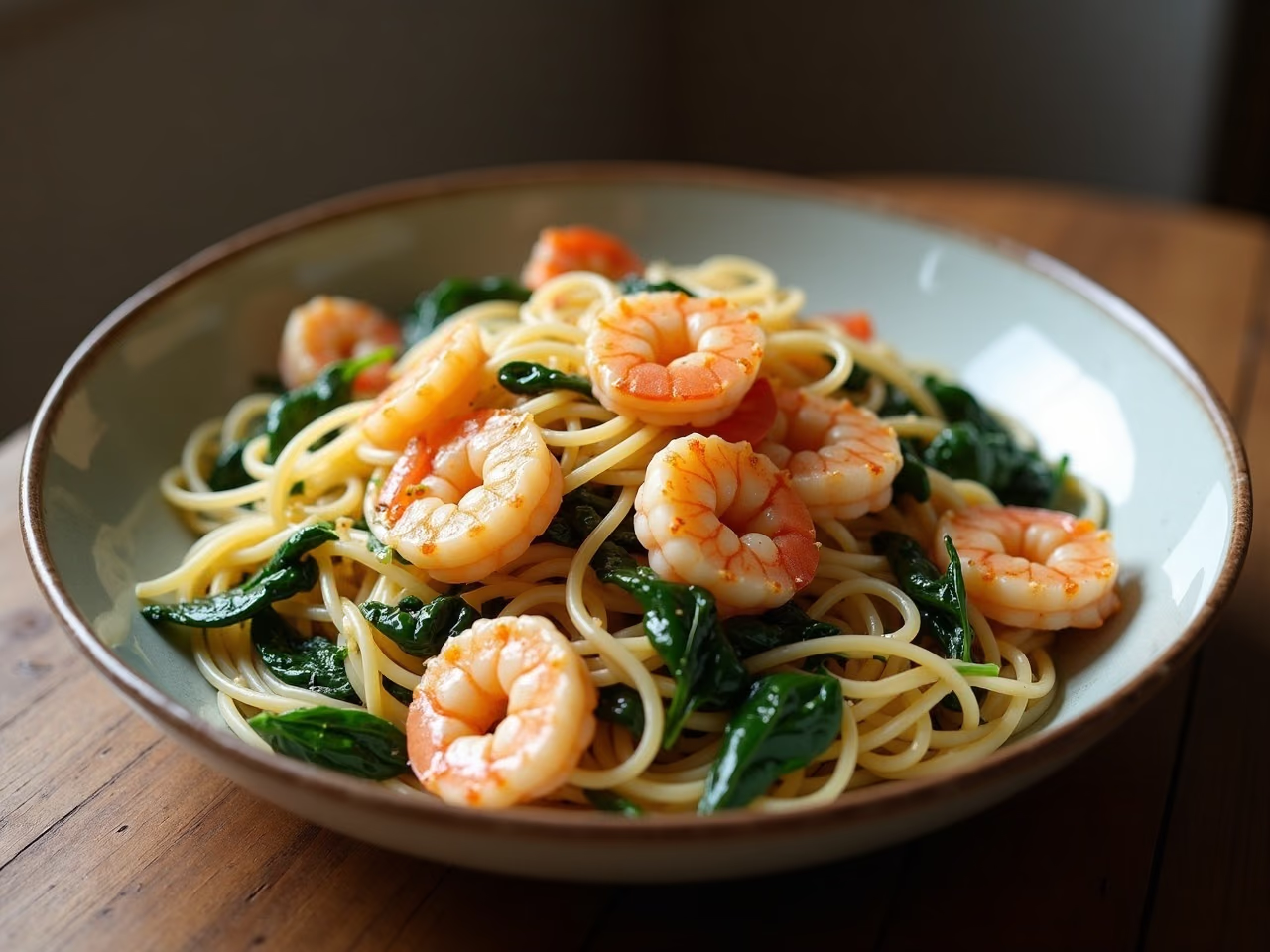
Shrimp pasta lives or dies inside about ninety seconds — the gap between a shrimp that is just opaque and one that bounces. Every choice in this recipe exists to widen that window or keep the shrimp out of the pan while anything else happens.
Buy the margin of error
Shrimp sizing is a count, not an adjective: 16/20 means sixteen to twenty per pound. The physics is simple — a thicker shrimp heats through slower, so a 16/20 gives you perhaps double the timing tolerance of a 41/50. “Jumbo-ish, raw, frozen, peeled” is the shopping instruction; the freezer case is usually fresher than the “fresh” counter, which is mostly thawed frozen with a head start on the clock.
Then dry them like you mean it. Surface water has to boil off before searing can start, and in the 90-second format there is no time for that — wet shrimp finish grey and steamed at exactly the moment dry ones finish seared.
The shrimp are never in the pan for the sauce
Sequence: sear 90/90, out. Garlic in butter, stock and lemon, reduce — shrimp still on their plate. Pasta, water, butter, emulsion; spinach wilted; and only then do the shrimp return, with their accumulated plate juices (free sauce), for thirty seconds of reheating. Total shrimp-in-pan time: about three and a half minutes across the whole recipe. That is the entire secret, and it costs one extra plate.
The sauce is the house emulsion, citrus edition
Starchy pasta water plus cold butter, tossed hard off the heat — the same mechanism as every clingy pasta on this site — with lemon deployed in two forms: all the zest (aromatic oils, added late so heat can’t flatten them) and half the juice (brightness, adjusted at the end). The stock reduction underneath keeps it from being a butter dish; the pepper flakes keep it from being polite.
Shrimp, Spinach and Garlic Pasta in 25
- Prep
- 10 min
- Cook
- 15 min
- Total
- 25 min
- Serves
- 4
Ingredients
- 12 oz (340 g) linguine or spaghetti
- 1 lb (450 g) shrimp, 16/20 count, peeled and deveined, tails off
- 3/4 teaspoon fine sea salt, divided, plus more for the pasta water
- 1/4 teaspoon black pepper
- 2 tablespoons olive oil
- 4 tablespoons cold unsalted butter, divided
- 5 cloves garlic, thinly sliced
- 1/4 teaspoon red pepper flakes
- 1/3 cup (80 ml) chicken or seafood stock, plus a squeeze of lemon
- 5 oz (140 g) baby spinach
- 1 lemon: zest of all of it, juice of half
- 2 tablespoons chopped parsley
Method
- Pat the shrimp aggressively dry with paper towels and season with 1/2 teaspoon of the salt and the pepper. Wet shrimp steam grey; dry shrimp sear pink-gold. This is the most important 60 seconds of prep in the dish. (4 min)
- Start the pasta in well-salted water; cook 1 minute short of package time, reserve 1 cup of water, drain. (11 min)
- While it cooks: heat the oil in a 12-inch skillet over medium-high until shimmering. Lay the shrimp in a single layer and sear 90 seconds untouched, flip each one, 90 seconds more — they should be pink with gold edges and just barely opaque at the thickest point. Out onto a plate immediately. (4 min)
- Drop the heat to medium. Add 1 tablespoon of the butter, the garlic and the pepper flakes to the shrimp pan and cook 60–90 seconds until the garlic is pale gold — no further; brown garlic is bitter garlic. (2 min)
- Add the stock with a squeeze of lemon and scrape the pan; simmer 2 minutes until reduced by about half. (2 min)
- Off the heat: add the drained pasta, 1/2 cup of pasta water and the remaining butter, and toss hard until glossy. Pile in the spinach and keep tossing — it wilts in the residual heat in about a minute. (2 min)
- Return the shrimp and every drop of their plate juices for a final 30-second toss with the lemon zest and juice. Season with the remaining salt, finish with parsley, serve immediately. (1 min)
Notes
- The count is the size: "16/20" means 16–20 shrimp per pound. Bigger (lower) numbers buy forgiveness — a 16/20 shrimp survives an extra 30 seconds that would rubberise a 41/50. For a sear-and-return method, 16/20 or 21/25 is the sweet spot; save small shrimp for dishes where they poach gently.
- Frozen shrimp are usually the best shrimp at the counter — most "fresh" displays are thawed frozen anyway, with unknown hours on the clock. Buy bags of frozen raw shell-on or peeled, thaw in a bowl under cold running water for 10 minutes, and dry hard.
- Doneness read: a raw shrimp is a straight grey line, a perfect one is a loose C, an overcooked one is a tight O. C good, O over — it happens in seconds, which is why they leave the pan while the sauce is built.
- The lemon zest matters more than the juice: zest carries the aromatic oils and goes in at the end where heat cannot dull them. Juice brightens; zest perfumes. Use all of one, half of the other.
- The lemon works two shifts: the squeeze that goes into the stock at the deglaze cooks down into the base of the sauce, while the finishing juice stays bright on top. They are not interchangeable — skip the first and the dish tastes flat underneath, skip the second and it tastes muted on top.
Per serving (estimated by calculation from ingredient quantities, not laboratory tested): 524 kcal · 34 g protein · 66 g carbohydrate · 15 g fat.
Common questions
How long should you cook shrimp?
Large (16/20) shrimp: 90 seconds a side over medium-high, about 3 minutes total, until just opaque with the body curled into a loose C. Shrimp protein tightens fast and keeps cooking off the heat, which is why this recipe removes them before the sauce is built and returns them only for a 30-second warm-through. From properly cooked to rubbery is well under a minute.
Why do my shrimp come out rubbery?
Time and steam, usually together: shrimp left in the pan while other things cook, or wet shrimp that boiled in their own surface water instead of searing. Dry them hard, sear briefly in a single layer, remove them, and reunite at the end. Buying larger shrimp (16/20 rather than 41/50) also widens the window between done and overdone.
Should I buy fresh or frozen shrimp?
Frozen, almost always. Shrimp are flash-frozen on or near the boat; the "fresh" counter is overwhelmingly the same product thawed at unknown time. Bags of frozen raw shrimp let you control the thaw (10 minutes under cold running water) and the quality is typically higher. Look for "shrimp, salt" ingredient lists, avoiding phosphate-soaked ones that never sear dry.
When does the spinach go in?
Off the heat, with the pasta toss — five ounces of baby spinach wilts in about a minute in the residual heat, keeping colour and a little body. Earlier, it overcooks and weeps water into the emulsion. It is the same finishing rule as the pantry tomato-spinach pasta: spinach is a last-move ingredient in any pasta.
Can I use garlic that's minced instead of sliced?
Sliced is deliberate here: thin coins toast evenly to pale gold and are hard to burn in the 60–90 second window, while minced garlic has so much surface area it jumps from raw to acrid in seconds in a hot pan. If you only do minced, add it with the stock rather than before — it will cook gently in the liquid instead of frying.