
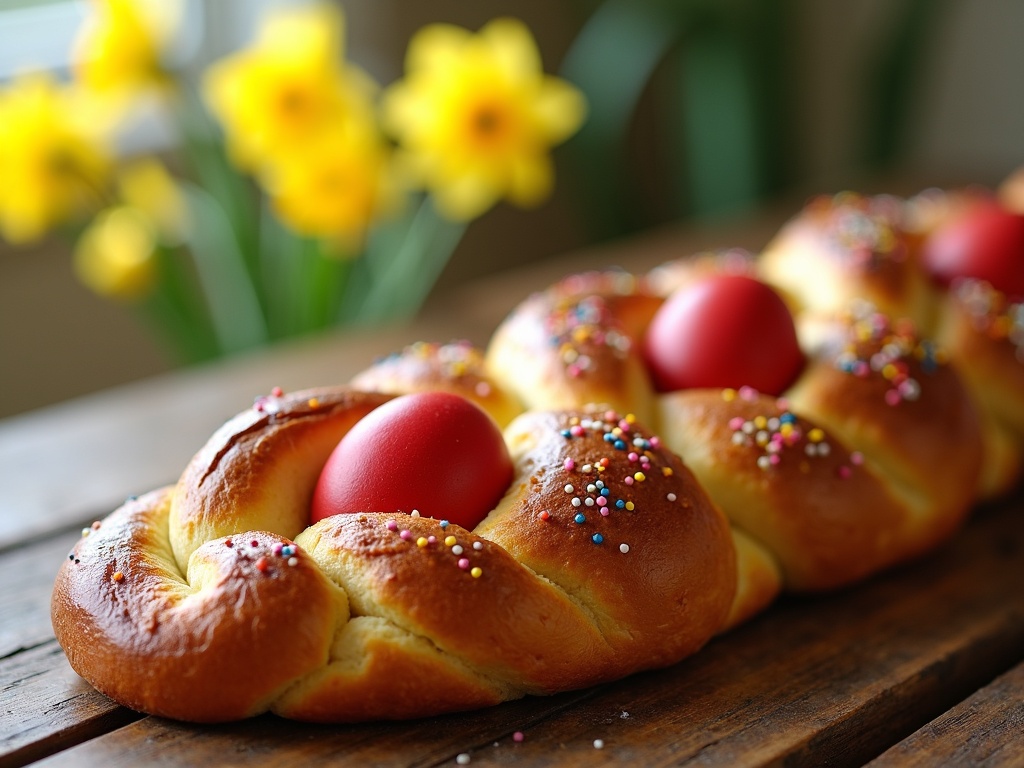
The arrival of spring and Easter brings with it the cherished tradition of baking sweet, golden Italian Easter Bread. This enriched, braided loaf, often studded with colorful eggs, is a centerpiece of celebration and a delicious symbol of new life. Making this beautiful bread at home is easier than you might think and fills your kitchen with an incredible aroma. It’s a wonderful project for the whole family and a surefire way to impress your holiday guests.
This particular recipe yields a soft, slightly sweet bread that’s perfect for tearing and sharing. The dough is enriched with butter, eggs, and a hint of citrus, creating a tender crumb that’s simply irresistible. While it looks impressive with its woven shape and festive eggs, the process is straightforward and forgiving. You can customize your Italian Easter Bread with different extracts or a simple glaze to make it your own.
The History and Significance of Italian Easter Bread
Known as "Pane di Pasqua" in Italy, this bread has deep roots in both religious and agricultural traditions. The eggs woven into the dough are a universal symbol of rebirth and fertility, perfectly aligning with the themes of Easter and spring. The braided shape itself is often said to represent the crown of thorns, adding a layer of solemn meaning to the joyful treat. Every region and family might have its own slight variation, but the essence of celebration remains the same.
You can learn more about the diverse culinary traditions of Italy from resources like Wikipedia’s overview of Italian cuisine. This rich history makes baking this bread feel like participating in a centuries-old ritual. Sharing a loaf of homemade Italian Easter Bread connects you to generations of bakers who have welcomed the season with this same special treat.
Essential Ingredients for Authentic Flavor
The magic of this bread lies in its simple, high-quality ingredients. You’ll need basics like flour, sugar, milk, and yeast, along with richer components like butter and eggs. The citrus zest—typically from an orange or lemon—is non-negotiable, as it provides the classic, bright fragrance that defines this loaf. Don’t forget the raw, uncooked eggs for decorating; they bake right in the braid.
Using fresh, good-quality ingredients will make a noticeable difference in your final loaf. Room-temperature eggs and milk help the dough come together smoothly and rise properly. The process of making Italian Easter Bread is as much about the experience as the result, so take your time and enjoy each step. The scent of citrus and yeast filling your kitchen is part of the holiday joy.
How to Make Classic Italian Easter Bread
Prep Time: 30 minutes | Cook Time: 25 minutes | Total Time: 3 hours 30 minutes (includes rising) | Servings: 1 large loaf
Ingredients
- 1 cup whole milk, warmed to about 110°F
- 2 ¼ teaspoons (1 packet) active dry yeast
- ⅓ cup granulated sugar
- 4 cups all-purpose flour, plus more for dusting
- ½ teaspoon salt
- 3 large eggs, at room temperature
- 6 tablespoons unsalted butter, softened
- 1 tablespoon orange zest (or lemon zest)
- 1 teaspoon vanilla extract
- 1 teaspoon anise extract (optional, but traditional)
- 3-5 raw, uncooked eggs, for decorating
- 1 egg yolk beaten with 1 tablespoon water, for egg wash
- Non-stick cooking spray or extra butter for greasing
- Colored sprinkles or pearl sugar, for garnish (optional)
Instructions
- In the bowl of a stand mixer, combine the warm milk, yeast, and a pinch of the sugar. Let it sit for 5-10 minutes until foamy.
- Add the remaining sugar, flour, salt, 3 eggs, softened butter, citrus zest, and extracts. Using the dough hook attachment, mix on low until a shaggy dough forms.
- Increase speed to medium and knead for 6-8 minutes, until the dough is smooth, elastic, and pulls away from the sides of the bowl. It will be slightly sticky.
- Place the dough in a large, lightly greased bowl. Cover with plastic wrap or a damp kitchen towel and let rise in a warm place for 1.5 to 2 hours, or until doubled in size.
- Punch down the risen dough. Turn it out onto a lightly floured surface and divide it into three equal pieces.
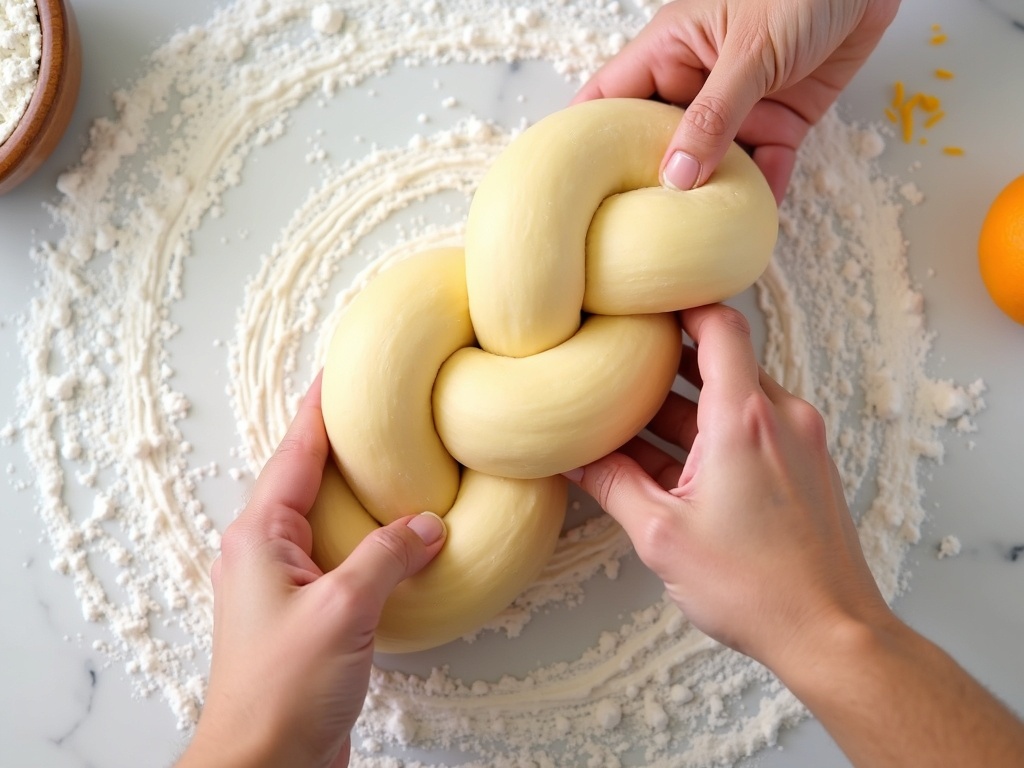
- Roll each piece into a long rope, about 20 inches in length. Pinch the three ropes together at one end and braid them loosely. Pinch the other end to seal and form a circle or oval.
- Transfer the braid to a large baking sheet lined with parchment paper. Gently tuck the raw, uncooked eggs into the spaces of the braid. Cover lightly and let rise for another 45-60 minutes.
- Preheat your oven to 350°F (175°C). Brush the entire loaf (avoiding the raw eggs) with the egg wash. Sprinkle with colored sugar or sprinkles if desired.
- Bake for 22-28 minutes, or until the bread is a deep, golden brown and sounds hollow when tapped. Let cool on the baking sheet for 10 minutes before transferring to a wire rack.
Tips
- For a shiny finish, brush the warm baked loaf with a simple syrup made from equal parts sugar and water.
- If your eggs are cold from the fridge, let them sit in a bowl of warm water for 10-15 minutes before adding them to the dough to prevent slowing the rise.
- This bread makes incredible French toast the next day! Slice, dip in a custard mixture, and cook on a buttered griddle. For more sweet breakfast inspiration, check out our guide to easy weekend brunch ideas.
Wrapping Up Your Baking Celebration
Your homemade Italian Easter Bread is more than just a recipe; it’s a creation that brings warmth and tradition to your table. Allow it to cool completely before slicing to enjoy its perfect texture. Serve it as a sweet breakfast, an afternoon snack with coffee, or as the grand finale to your Easter feast.
We hope this guide inspires you to start a new baking tradition this holiday. The process of making Italian Easter Bread is a rewarding one, resulting in a stunning and delicious centerpiece. Gather your ingredients, clear your counter, and get ready to fill your home with the unforgettable scent of this celebratory bread.
Explore a guide on our sister blog
Related reading: Explore more on this topic