Weeknight
High Protein Low Calorie Meals: The Ratio
A high protein low calorie meal delivers at least 8 g of protein per 100 calories — a 450-calorie dinner carrying 36 g or more. The math is easiest with lean proteins (chicken breast runs about 19 g per 100 calories, shrimp 24) plus high-volume vegetables, with the fat measured rather than poured, because at 120 calories a tablespoon, oil is where lean dinners quietly stop being lean. The sheet-pan chicken below lands at 450 calories and 45 g of protein a serving.
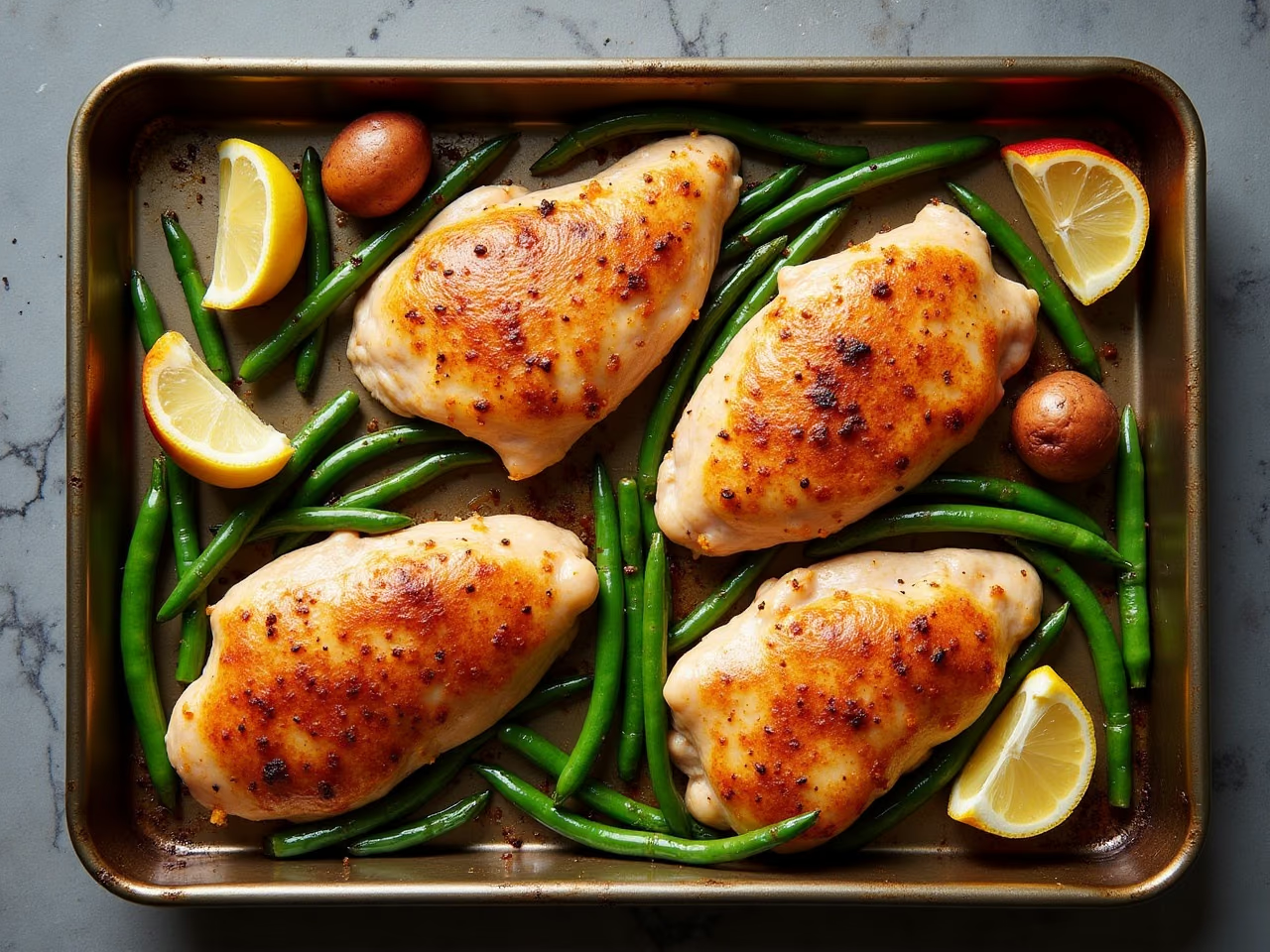
“High protein low calorie” is usually served as a vibe — grilled things, sad portions, an unexamined drizzle of oil. It is actually one ratio, and once you know it you can audit any dinner in your head in five seconds.
The ratio: 8 grams per 100 calories
Divide a meal’s protein by its calories, times 100. At 8 or above, the meal is doing what this article promises: a 450-calorie plate carrying 36+ grams. Below that, it is either a small ordinary meal or a protein plate with a fat problem.
The ratio is decided almost entirely by which protein anchors the plate:
| Protein (cooked) | g protein per 100 cal |
|---|---|
| Shrimp | 24 |
| Cod and other white fish | 22 |
| Tuna, canned in water | 22 |
| Egg whites | 21 |
| Turkey breast | 21 |
| Chicken breast | 19 |
| Nonfat Greek yogurt | 17 |
| Low-fat cottage cheese | 15 |
| 93/7 ground beef | 14 |
| Salmon | 12 |
| Firm tofu | 10 |
| Whole eggs | 8 |
Everything from salmon down still earns its place — salmon’s fat is the point of salmon — but the top of the table is where 40-gram dinners come cheap.
The plate formula
Every dinner below is the same three moves:
- 30–45 g of lean protein, from the table.
- High-volume vegetables — 30–35 calories a cup, so the plate stays big.
- Fat, measured. One tablespoon of oil is 120 calories. It goes in with a spoon, not a tilt of the bottle, because fat is the only part of this cooking that is both calorie-dense and invisible.
Carbohydrate is welcome in moderate, visible portions — the baby potatoes here run about 110 calories a serving. The formula has no forbidden foods; it has one measured one.
12 dinners that hit the number
| Dinner | Calories | Protein |
|---|---|---|
| Sheet-pan chicken, green beans, baby potatoes (below) | 450 | 45 g |
| Seared chicken breast, big salad, measured vinaigrette | 420 | 42 g |
| Greek yogurt chicken salad in pita halves | 380 | 40 g |
| Baked salmon, asparagus, lemon | 430 | 38 g |
| Turkey chili with beans | 400 | 38 g |
| Cod with lemon, roasted broccoli, couscous | 400 | 36 g |
| Shrimp stir-fry over rice | 420 | 35 g |
| 93/7 beef lettuce-wrap tacos | 400 | 35 g |
| Tuna and white bean salad | 380 | 35 g |
| Chicken noodle soup, extra chicken | 350 | 34 g |
| Egg-white frittata with spinach and feta | 300 | 30 g |
| Crispy tofu bowl with soy-ginger rice | 450 | 28 g |
The numbers assume the fat was measured. They always assume the fat was measured.
The sheet pan, timed
The representative recipe up top is the formula at its laziest: one pan, one temperature, staggered entry. Potatoes get fifteen minutes alone at 425°F because they need about forty total and chicken breasts need about twenty; the beans ride in with the chicken and finish in the shared heat. Pull the chicken at 160°F and let carryover close the gap to 165 while the pan rests — the same pull-early rule as every breast recipe on this site, because dry chicken at 450 calories is still dry chicken.
One pan, four servings, 45 grams each, and nothing on the plate that needs explaining to anyone who just wants dinner.
High Protein Low Calorie Meals: The Ratio
- Prep
- 10 min
- Cook
- 35 min
- Total
- 45 min
- Serves
- 4
Ingredients
- 4 boneless skinless chicken breasts (about 1.5 lb / 680 g)
- 1.5 lb (680 g) baby potatoes, halved
- 1 lb (450 g) green beans, trimmed
- 2 tablespoons olive oil, divided — measured, not poured
- 1 teaspoon smoked paprika, 1 teaspoon garlic powder, 1 1/4 teaspoons fine sea salt, 1/2 teaspoon black pepper
- 1 lemon, in wedges
Method
- Heat the oven to 425°F (220°C). Toss the halved potatoes with 1 tablespoon of the oil, half the salt and the pepper on a large sheet pan, cut sides down, and give them a 15-minute head start — potatoes need about 40 minutes total and chicken breasts do not. (18 min)
- Pat the chicken dry and rub with the remaining oil, the paprika, garlic powder and the rest of the salt. Dry surfaces brown; wet ones steam pale. (4 min)
- Pull the pan, push the potatoes to one end, and add the chicken and green beans in a single layer. Back in for 18–22 minutes, until the thickest breast reads 160°F (71°C). (20 min)
- Rest everything on the pan 5 minutes — carryover takes the chicken to the safe 165°F (74°C) while the beans finish wilting in the residual heat. Squeeze the lemon over the whole pan and serve. (5 min)
Notes
- Measure the oil with an actual spoon. At 120 calories a tablespoon, an unmeasured pour is the fastest way to turn a 450-calorie dinner into a 650-calorie one while changing nothing on the plate you can see.
- The store-aisle shortcut: multiply the label's protein grams by 100 and divide by the calories. At 8 or above, it belongs in this rotation; chicken breast scores about 19, shrimp about 24, and most cheeses and breaded freezer-aisle proteins fail before you reach the checkout.
- High-volume vegetables are the plate-fillers: green beans, broccoli, zucchini and cauliflower all run 30–35 calories a cup. The difference between a sad small dinner and a large one at the same calories is almost entirely vegetables.
- Carbs are not the problem in this math — the potatoes here cost about 110 calories a serving and carry potassium and actual satisfaction. Fat is 9 calories a gram against carbohydrate's 4, and it hides in cooking in a way potatoes cannot.
- Batch the protein, not the meal: roast a double load of chicken breasts once and the next two dinners (a Greek yogurt chicken salad, a soup with extra chicken) are assembly jobs that keep the same numbers.
Per serving (estimated by calculation from ingredient quantities, not laboratory tested): 450 kcal · 45 g protein · 32 g carbohydrate · 12 g fat.
Common questions
What counts as a high protein low calorie meal?
A useful working definition: at least 8 g of protein per 100 calories, in a meal of roughly 350–500 calories — which lands 30–45 g of protein per dinner. The ratio matters more than either number alone; a 400-calorie meal with 12 g of protein is just a small meal, and a 40 g protein plate drowned in oil is not low calorie.
How much protein should I eat in a day?
The baseline RDA is 0.8 g per kilogram of body weight (about 0.36 g per pound), and common sports-nutrition guidance for active adults runs 1.2–2.0 g per kilogram. Three meals built like the ones here — 30–45 g each — put most people comfortably in that range without powders or tracking apps.
Why does fat matter more than carbs for the calorie math?
Density and invisibility. Fat carries 9 calories per gram against 4 for carbohydrate and protein, and it enters food invisibly — a glug of oil, a knob of butter, a handful of cheese. The potatoes in this recipe cost about 110 calories a serving and are visible on the plate; an unmeasured second tablespoon of oil costs 120 and vanishes. Measuring fat is the single highest-leverage habit in this style of cooking.
Can high protein low calorie meals be vegetarian?
Yes, with the leaderboard adjusted: egg whites (about 21 g per 100 calories), nonfat Greek yogurt (17), low-fat cottage cheese (15) and firm tofu (10) are the workhorses; seitan scores higher still. Beans and lentils bring protein but at a lower ratio — around 6 g per 100 calories — so they partner best with one of the above rather than carrying a meal alone.
Are these meals good for weight loss?
They make a calorie deficit easier to hold, which is the mechanism that matters. Protein is the most satiating macronutrient and helps preserve muscle while losing weight, and high-volume vegetables keep the plate large while the calories stay moderate. None of that repeals the arithmetic — the deficit itself still does the losing.