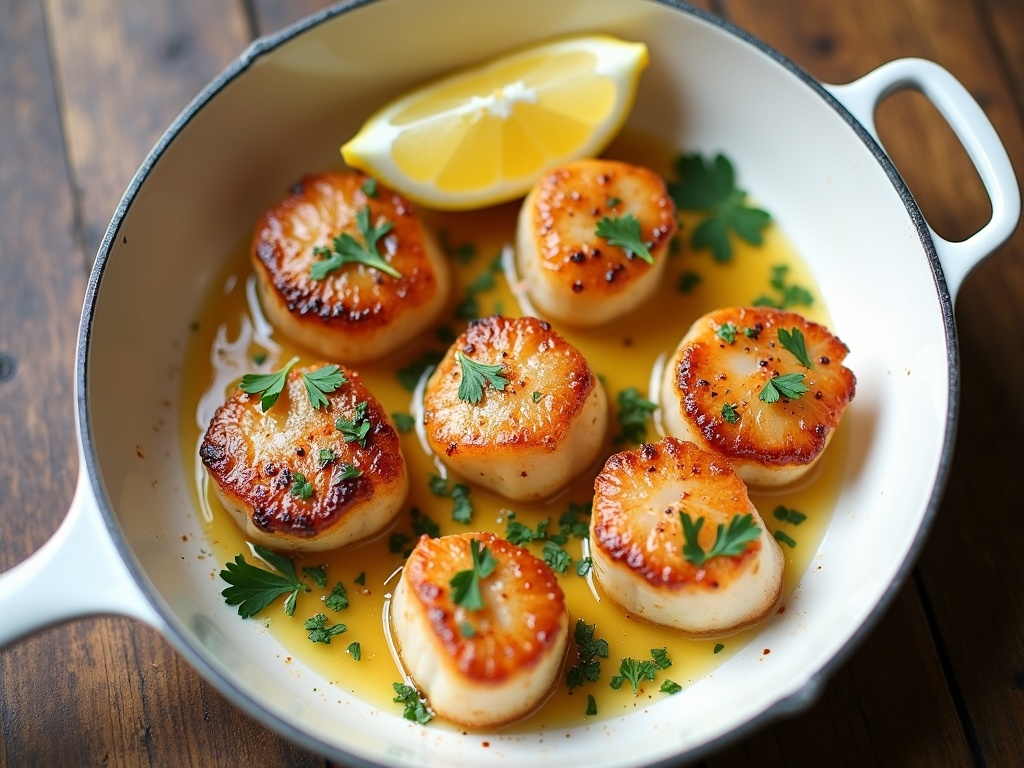
Exploring delicious scallops recipes is a fantastic way to elevate your weeknight dinners with restaurant-quality flair. These sweet, tender morsels cook in minutes, making them perfect for a quick yet impressive meal. Mastering a few simple techniques unlocks a world of flavor, from classic sears to vibrant pasta dishes.
Whether you’re a seafood novice or a seasoned home cook, having a reliable collection of scallops recipes in your arsenal is a game-changer. Their delicate taste pairs beautifully with bold and subtle flavors alike. This guide will walk you through a foolproof method for perfect pan-searing, along with tips for buying and preparing scallops.
Why You’ll Love This Scallop Recipe
This particular recipe highlights the scallop’s natural sweetness with a simple, elegant sauce. The key is achieving a beautiful golden crust while keeping the interior tender and moist. You only need a handful of pantry staples to create a dish that feels special. It’s one of those essential scallops recipes that you’ll return to again and again.
Essential Tips for Perfect Scallops
First, always look for "dry-packed" scallops, which haven’t been treated with preservatives that can hinder browning. Pat your scallops thoroughly dry with paper towels before cooking; this is the single most important step for a good sear. Season them generously just before they hit the pan to avoid drawing out moisture. For more inspiration on building a balanced seafood meal, check out our guide for easy weeknight sides.
Recipe: Pan-Seared Scallops with Lemon Garlic Butter
Prep Time: 10 minutes | Cook Time: 6 minutes | Total Time: 16 minutes | Servings: 2
Ingredients
- 12 large sea scallops (about 1 lb), side muscle removed
- 1/2 teaspoon kosher salt
- 1/4 teaspoon freshly ground black pepper
- 1 tablespoon olive oil
- 2 tablespoons unsalted butter
- 3 cloves garlic, minced
- 1/4 cup dry white wine (like Sauvignon Blanc)
- 2 tablespoons fresh lemon juice
- 2 tablespoons chopped fresh parsley
Instructions
- Remove the small, tough side muscle from each scallop if present. Pat the scallops completely dry with paper towels. Season both sides evenly with salt and pepper.
- Heat the olive oil in a large stainless steel or cast-iron skillet over medium-high heat until shimmering and very hot.
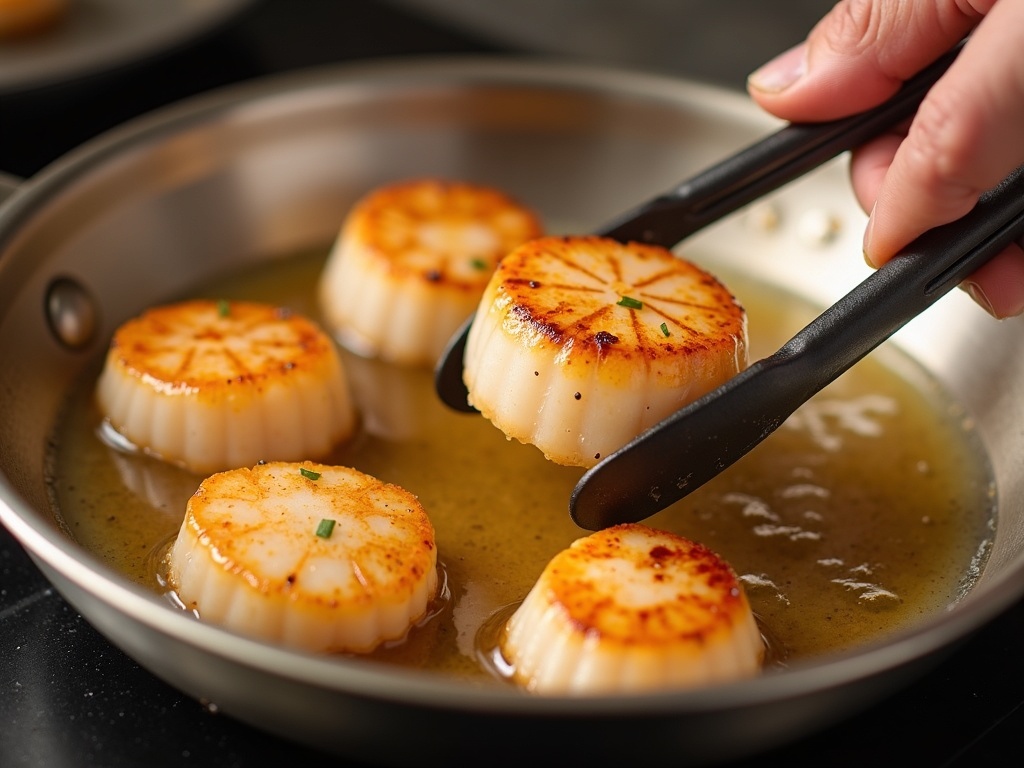
- Carefully add the scallops to the skillet, ensuring they are not touching. Sear without moving for 2-3 minutes, until a deep golden-brown crust forms.
- Gently flip each scallop using tongs. Cook for another 1-2 minutes until just opaque and firm to the touch. Transfer scallops to a clean plate.
- Reduce heat to medium. Add the butter to the skillet. Once melted, add the minced garlic and cook for 30 seconds until fragrant.
- Pour in the white wine and lemon juice, scraping up any browned bits from the pan bottom. Let the sauce simmer for 1-2 minutes to reduce slightly.
- Remove the skillet from the heat. Stir in the chopped parsley. Return the scallops to the skillet and spoon the sauce over them. Serve immediately.
Tips
- For the best results, bring your scallops to room temperature for 10 minutes before cooking. This helps them cook more evenly.
- Avoid overcrowding the pan, as this will steam the scallops instead of searing them. Cook in batches if necessary.
- The U.S. Food and Drug Administration provides a helpful seafood consumption guide for making informed choices at the market.
Exploring More Scallops Recipes
Once you’ve mastered the basic sear, the possibilities are endless. You can incorporate scallops into creamy risottos, fresh salads, or even skewers for the grill. Trying new scallops recipes is a wonderful way to enjoy seasonal produce and expand your cooking repertoire. Their versatility makes them a star ingredient for any occasion.
Wrapping Up
This simple pan-seared method is the foundation for countless delicious scallops recipes. With a hot pan, dry scallops, and a bit of patience, you can create a stunning meal any night of the week. Grab some fresh scallops, fire up the stove, and enjoy the satisfaction of a perfectly cooked seafood dinner at home.
Explore a guide on our sister blog
Related reading: Explore more on this topic