
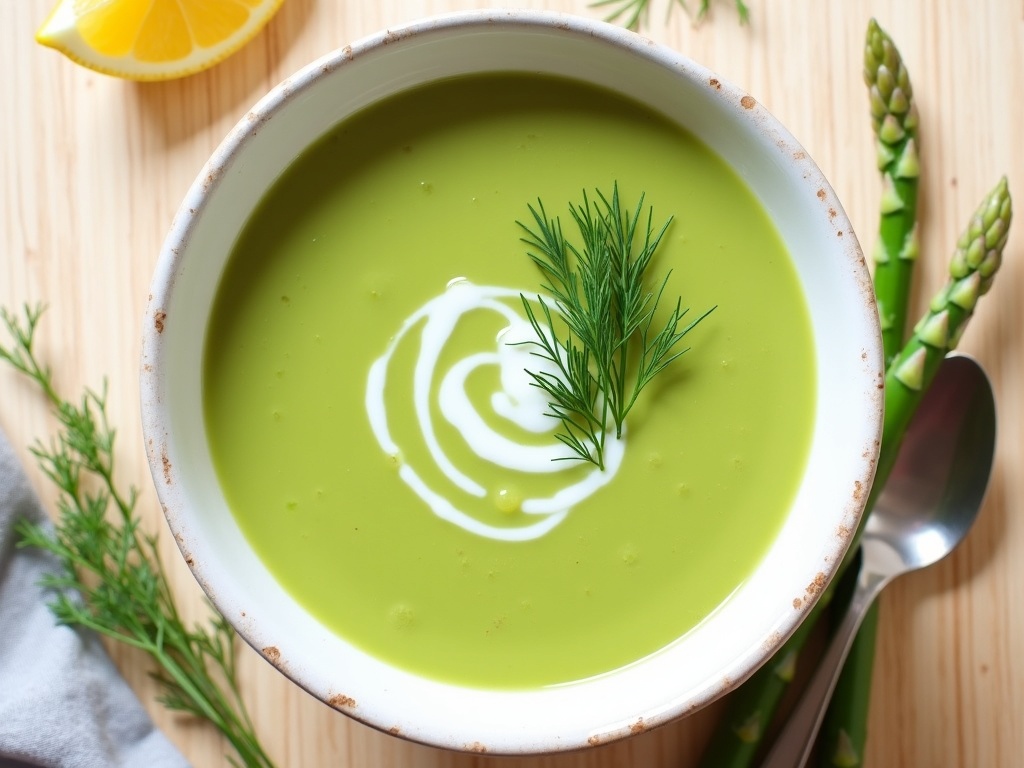
As the days grow longer and the first green shoots appear, our cravings turn to lighter, brighter meals. This collection of spring soup recipes is designed to celebrate the season’s bounty. They are the perfect way to transition from hearty winter stews to refreshing, vegetable-forward dishes.
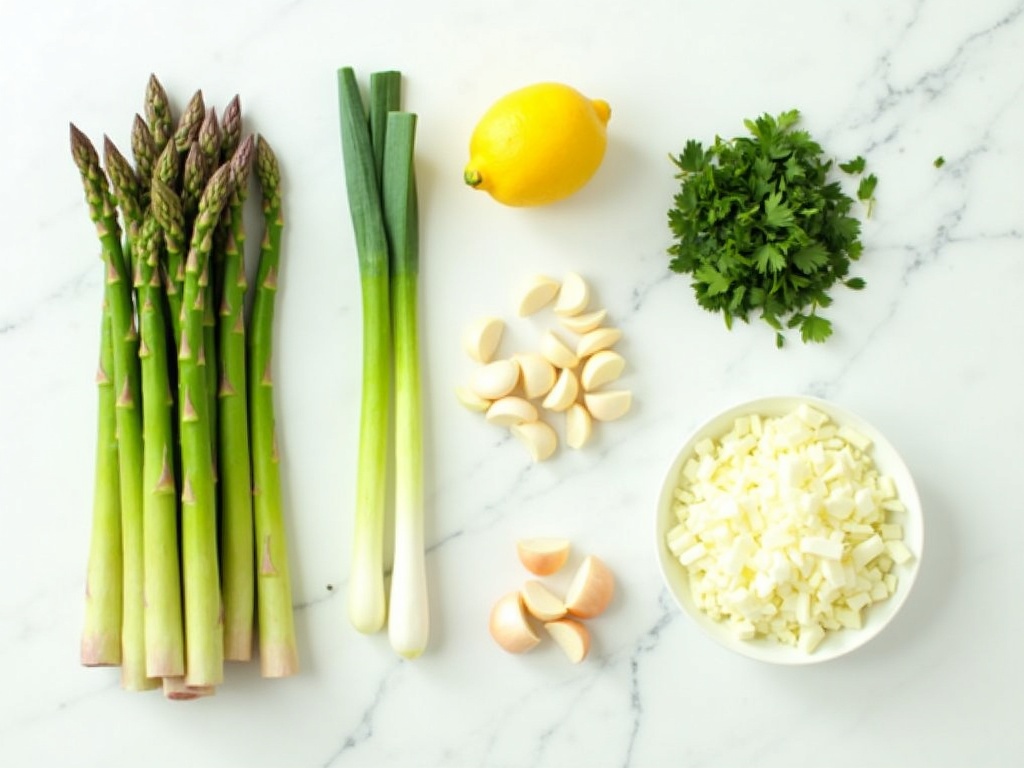
These soups highlight the crisp, tender produce that defines spring cooking. Think of sweet peas, fresh herbs, tender asparagus, and delicate greens. Each recipe is straightforward, making them ideal for easy weeknight dinners or a leisurely weekend lunch.
Why You’ll Love These Seasonal Soups
Spring soups are uniquely versatile and incredibly satisfying. They offer a wonderful balance of lightness and depth of flavor. A vibrant bowl can serve as a stunning starter or a complete meal with a slice of crusty bread.
These dishes are also a fantastic way to reduce food waste. You can use up that bunch of herbs or those last few stalks of asparagus. Cooking seasonally ensures you get the most flavor and nutritional value from your ingredients.
Essential Ingredients for Spring Soup Recipes
The key to fantastic spring soup recipes lies in using the freshest seasonal produce you can find. Look for bright green asparagus, English peas, fresh spinach, and young leeks. Fresh herbs like dill, chives, mint, and parsley are non-negotiable for that burst of fresh flavor.
Don’t overlook a good vegetable broth as your foundation. A simple garnish can also elevate your soup tremendously. A drizzle of good olive oil, a spoonful of crème fraîche, or a sprinkle of toasted nuts adds the perfect finishing touch.
Recipe: Creamy Asparagus & Leek Soup
Prep Time: 15 minutes | Cook Time: 25 minutes | Total Time: 40 minutes | Servings: 4
Ingredients
- 2 tablespoons unsalted butter
- 2 large leeks, white and light green parts only, thinly sliced
- 2 cloves garlic, minced
- 1 ½ pounds fresh asparagus, woody ends trimmed, cut into 1-inch pieces
- 4 cups low-sodium vegetable broth
- ½ cup heavy cream or full-fat coconut milk for a dairy-free option
- 2 tablespoons fresh lemon juice
- Salt and freshly ground black pepper, to taste
- Fresh chives or dill, for garnish
Instructions
- Melt the butter in a large pot or Dutch oven over medium heat. Add the sliced leeks and a pinch of salt. Cook, stirring occasionally, until softened, about 5-7 minutes.
- Add the minced garlic and cook for another minute until fragrant.
- Add the asparagus pieces and vegetable broth to the pot. Increase the heat to bring to a boil, then reduce to a simmer. Cook until the asparagus is very tender, about 10-12 minutes.
- Carefully puree the soup using an immersion blender directly in the pot. Alternatively, blend in batches in a countertop blender, venting the lid to avoid steam buildup.
- Return the pureed soup to the pot if using a blender. Stir in the heavy cream and lemon juice. Warm through over low heat. Do not boil.
- Season generously with salt and pepper. Ladle into bowls and garnish with freshly chopped chives or dill.
Tips
- For a super smooth texture, pass the pureed soup through a fine-mesh sieve before adding the cream.
- Reserve a few asparagus tips before cooking. Blanch them separately for a beautiful and crunchy garnish on top of the creamy soup.
- This soup pairs wonderfully with our easy No-Knead Crusty Bread for dipping.
Finding the Best Seasonal Produce
To make the most of your spring soup recipes, sourcing quality ingredients is key. Visiting a local farmer’s market is one of the best ways to find peak-season vegetables. For more information on what’s in season near you, you can reference the seasonal produce guide from the USDA’s SNAP-Ed Connection.
Wrapping Up
Embracing spring soup recipes is a delightful way to welcome the new season into your kitchen. This creamy asparagus soup is just the beginning. Feel free to experiment with other spring favorites like fresh pea or a light potato and watercress soup.
We encourage you to try this recipe this week. Let the fresh, clean flavors of spring revitalize your meal routine. Share your creations with us, and happy cooking!
Explore a guide on our sister blog
Related reading: Explore more on this topic